
You can read the current Newsletter (July 2023) here.
Law & Public Policy, News & Action Alerts
Be notified by email of new posts and breaking legal news across the state. Unsubscribe anytime.
You can read the current Newsletter (July 2023) here.
Be notified by email of new posts and breaking legal news across the state. Unsubscribe anytime.

With the 2020 Election well under way–as voters around the country stand on long lines to vote early in person and place completed paper ballots into drop boxes and mail slots — eyes are on Maine, which is poised to become the first state to use ranked choice voting in electing the president.
Maine already broke new ground in 2018, when it became the first state to elect its Congressional representatives and a U.S. Senator–Angus King, an Independent–with ranked choice voting aka RCV, which even altered the outcome in one race. Democrat Jared Golden initially trailed Republican incumbent Bruce Poliquin by about 2,000 votes in District 2, but ultimately beat him by about 3,000, after picking up roughly 90% of the second-choice votes of the two independent candidates in the race. Aided by RCV, Golden became the first challenger to oust an incumbent in that District in a century.
For this year’s presidential race, Maine’s four Electoral College votes are at stake. That is not many, and it could be as few as 3 because Maine is one of two states where those votes can potentially be split between two candidates. Nevertheless, Maine is considered a swing state and the use of ranked choice voting could determine who gets its 3 or 4 Electoral College votes and conceivably determine the outcome.
Not only that. This election stands a real chance of flipping the Senate from Republican to Democratic control and RCV is even more likely to make the difference there. One of the Republican seats most in play is that of Senator Susan Collins of Maine, whose failure in 2018 to vote against the confirmation of Brett Kavanaugh for the Supreme Court exposed the hollowness of her claim to be a pro-choice moderate. Running against Collins are Democrat Sara Gideon and two independents, Lisa Savage a former Green, and Max Linn, who has run in the past as a Republican. Recent polls show Gideon with a slight lead over Collins, close enough that reallocated votes could make the difference. As of Oct. 28, one poll had Savage at 4.7% and Linn at 1.7%. With RCV, those Savage votes are likely to go to Gideon, bolstering her advantage over Collins.
Continue reading RANKED CHOICE DEBUTS IN MAINE VOTE FOR PRESIDENT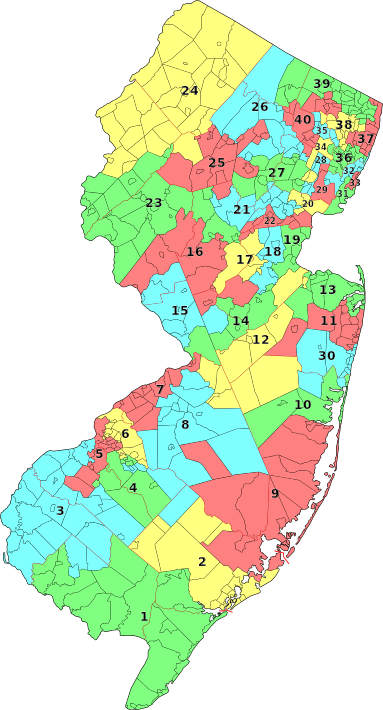
A little more than a month from now, New Jersey voters will start receiving their mail-in ballots for November’s general election. In addition to all the candidates running for office, those ballots will contain three statewide questions on which voters will also get to decide.
You have probably heard a lot about Ballot Question No. 1, whether or not to legalize marijuana.
Ballot Question 2 would extend an existing $250 property tax deduction for veterans who served in time of war to those who served in peacetime as well. It follows a ballot question from last year that extended the same deduction to retirement communities that house veterans, which were required to pass the value of the deduction on to the veterans.
I am here to talk about the third question, which is a bit more complicated and has not received much attention: a proposed amendment to the New Jersey constitutional provisions that govern redistricting, the process by which state legislative maps are redrawn every 10 years based on updated Census data. Continue reading WHY YOU SHOULD VOTE “NO” ON BALLOT QUESTION 3
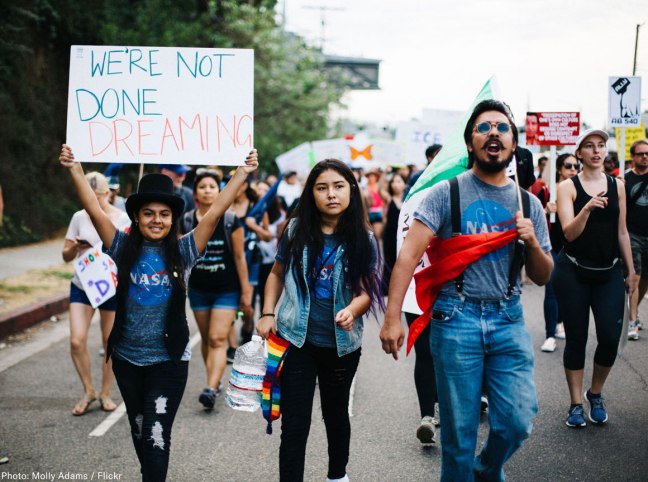
The Appleseed Network celebrates the Supreme Court’s 5-4 ruling on Thursday morning, June 18th, in favor of blocking the termination of the Deferred Action for Childhood Arrivals (DACA) program. The Court found that the Trump administration’s September 2017 move to terminate the program was “arbitrary and capricious,” and that the impact of the program’s termination on DACA recipients – at least 650,000 young immigrants brought to the US as children – was not properly taken into account.
DACA is a program initially announced in 2012 by former President Barack Obama that allows undocumented young people across the country to harness their skills and education to work and contribute to their communities. Dreamers (those protected under DACA) are able to enroll in college, obtain driver’s licenses, and continue their careers in the place they know as home. Under President Trump’s termination of DACA, new applications to the program were no longer accepted. Thursday morning, the Court’s positive ruling reaffirmed that DACA recipients will continue to be able to live in the US without fear of deportation, as well as pursue higher education and gainful employment.
DACA recipients are highly involved in communities throughout the US, practice political and civic engagement, and have been woven into the economic fabric of America. The Center for American Progress reported that DACA recipients and their households contribute $5.7 billion in federal taxes and $3.1 billion in state and local taxes annually. Additionally, according to the Migration Policy Institute, “55% of DACA recipients are employed, amounting to 382,000 workers [and] 62% of those not in the labor force are enrolled in school.” During the current COVID-19 crisis – which has taken the lives of at least 120,000 people in the US – it is crucial that we acknowledge the 29,000 Dreamers who are working as health care workers and home care providers on the frontlines, and the more than 150,000 Dreamers who are essential workers providing education, growing and producing food, and keeping shelves stocked. Appleseed works to promote equity, security, and justice for children and families across the US and Mexico, and we applaud the DACA program as both a pathway for young undocumented immigrants to achieve their educational and economic goals as well as a recognition of immigrants’ inherent human rights, no matter their citizenship status.
While the ruling is a huge win for immigrants and immigration justice activists around the nation, it is only the first step in securing permanent protections for Dreamers. The American Dream and Promise Act of 2019, passed by the House of Representatives in Spring of 2019, would provide these protections and create a pathway to citizenship for DACA recipients. We urge the Senate to pass this bill in order to recognize the right of Dreamers to live free of fear and to pursue their dreams on American soil.
The Appleseed Network stands in solidarity with immigrants when we say, #HomeisHere.
We condemn in the strongest terms the murder of George Floyd, who was suffocated to death last week by a Minneapolis police officer who pressed his knee against Floyd’s neck for nearly nine minutes while he gasped for breath and pleaded for mercy, as well as the recent killings of Ahmaud Arbery, chased and shot by vigilantes in Georgia for jogging while black, and Breonna Taylor, shot by police in her own Louisville home. The list of people of color who have been wrongfully killed, mainly by police who typically do so with impunity, goes on and on and it has to stop.
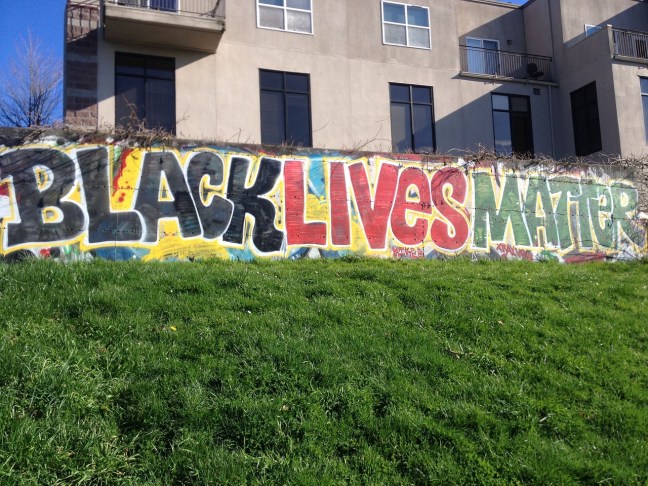
We stand in solidarity with Black Lives Matter and every other group and individual who share that belief and have been exercising their First Amendment rights to proclaim it. The mass protests throughout the United States and around the world over the past week give voice to the anger and anguish of those whose cries for justice have gone unanswered for far too long. In a few instances, remarkably few given the provocations, both recent and historical, understandable frustration has boiled over into violence and property damage.
For the most part, people have stood, knelt and marched peacefully, keeping their eyes on the prize and demanding justice. In a number of instances, including some here in New Jersey, police have joined with protesters, marching and even kneeling alongside them. In too many places, however, most notably Washington D.C., in the shadow of the White House, protesters have been met with tear gas, rubber bullets, flash grenades and other forms of police violence, which we condemn as strongly as we do the murder of George Floyd. It is not only an egregious violation of the rights of the protesters but a betrayal of our values as a nation and a stain upon our country.
In our home city of Newark, NJ, where the beating of a black taxi driver by police in the summer of 1967, sparked four days of riots that left 26 people dead and hundreds injured, the past was not prelude. That was, at least in part, thanks to Mayor Ras Baraka who called a press conference on the steps of City Hall to express support for the protest, marched in the front lines and spoke before the crowd about his own experiences as a youth protesting the deaths of black people at the hands of police. The City’s top police officials likewise voiced support and denounced police brutality and the “senseless murder” of Floyd. Much credit also goes to the organizers, People’s Organization for Progress, and its long-time leader, Larry Hamm.
For our own part, NJ Appleseed will continue to be part of the long-term, big-picture solution as we work to change institutional structures and public policies in areas that disproportionately impact low-income communities of color, including affordable health care, voting rights, community and environmental infrastructure and preserving public ownership or access to essential resources like water systems and hospitals.
Now is the time to move forward and demand structural change; we cannot return to the pre-Trump status quo. The United States must face the ravages wrought by capitalism, and work toward establishing a just social and political order.

2014
Application Reference: ZBA 7-14-C
The proposal for a surface parking lot on Bruen Street brought the community together to form PLANewark (under a different name at the time) and has driven much of our work since. The area around Penn Station has long been dominated by commuter parking lots and has been steadily growing for decades. In 2014, members of the neighborhood opposed the creation of yet another parking lot on a property where a building had to be demolished to make way. Expert testimony was given against the lot, and the Zoning Board decided the negative impacts vastly outweighed the positive contribution the lot would have had in the neighborhood. This represented the first time citizens of Newark successfully opposed the creation of a parking lot. PLANewark members advocated in favor of dense, mixed-use development and won.
Click here to learn more about this project.
2015-Present
Application Reference: ZBA 15-66
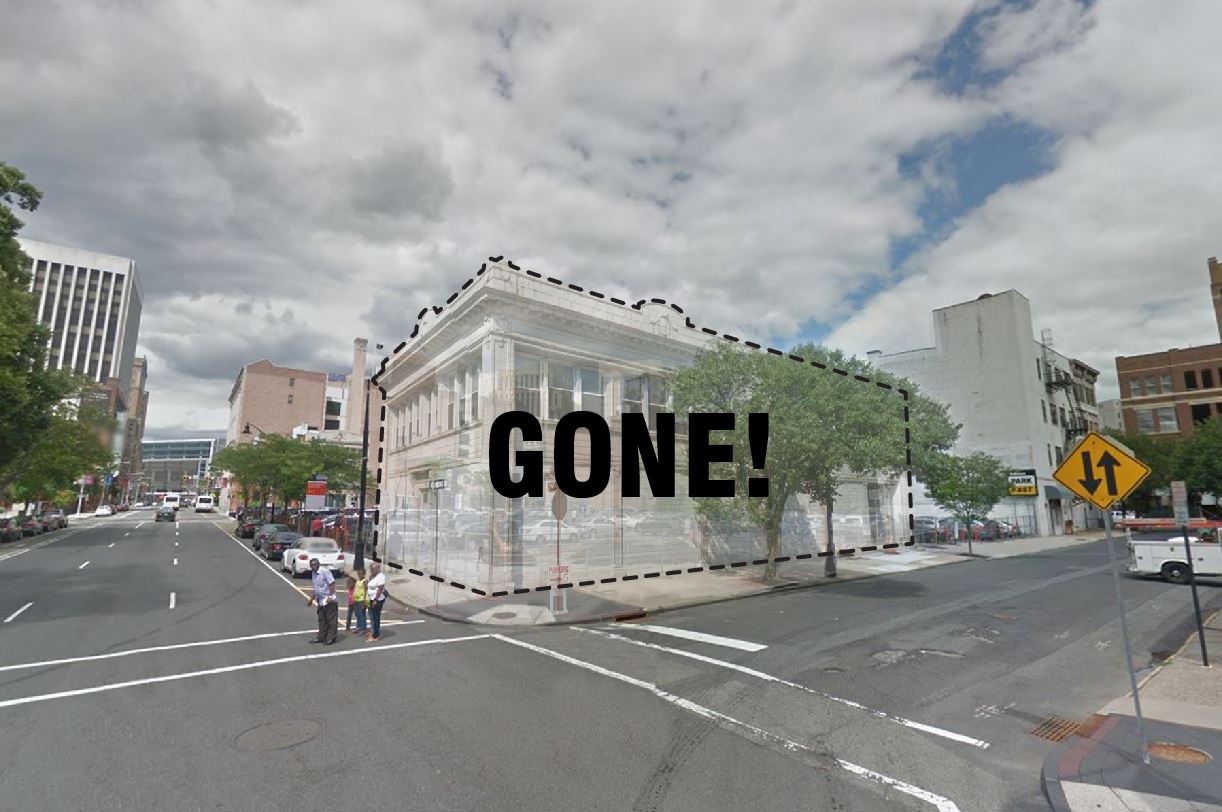
Edison Properties owns and operates a large parking lot at the corner of Washington Street and Central Ave in the heart of downtown Newark. In the summer of 2015, the company proposed an expansion of that lot to take the place of a former terracotta building with contributing historic character. PLANewark opposed this action because surface parking lots are not permitted anywhere downtown and because of the loss of character in the James Street Historic Commons. Instead of a long battle with Edison, we forged an agreement with two important outcomes:
Click here to read the development agreement between Edison Properties and PLANewark.
2015-2016
Application Reference: ZBA 15-65
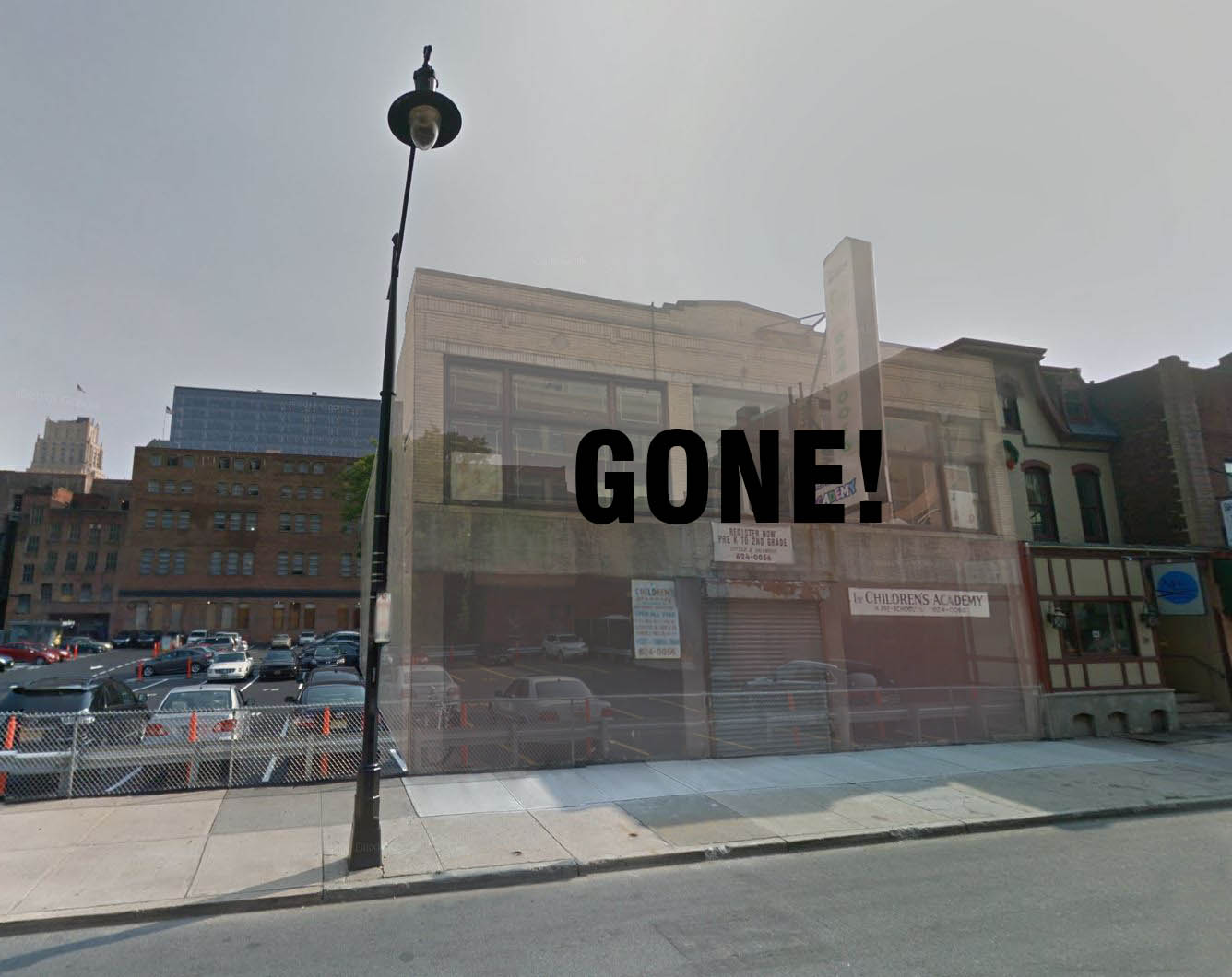
Similar to the Washington Street Lot, PLANewark entered an agreement with Edison Properties in order to bring public benefits into the plans for a surface parking lot expansion. This expansion also was taking the place of an existing building which was demolished under questionable circumstances. We were not able to win a redevelopment agreement for this lot, but we were able to secure several improvements that contribute to the neighborhood including planted buffers around the perimeter, less obtrusive signage, bicycle parking stands, electric car charging stations, and more.
Click here to read the agreement between PLANewark and Edison Properties.
2015-2016
Application Reference: CPB 15-38, CPB 16-03
Members of PLANewark worked with the Broad Street Neighborhood Association (BSNA) and others to protest the development of a suburban-style Family Dollar store in the Lower Broadway neighborhood of Newark. When the application was heard by the Central Planning Board, residents used their knowledge of the application, the Newark Master Plan, and the recently adopted zoning regulations (NZLUR) to present arguments against the development. Based on the persistence of BSNA and some technical assistance from PLANewark, the applicant was denied twice by the Planning Board. While this does stall development on the lot in the short term, it does retain the possibility that the Master Plan will be fully realized along this main artery of Lower Broadway. The neighborhood group and the owner of the property have already begun talks to transform the vacant lot and small garage into mixed-use development that will benefit everyone.
2013-Present
Application Reference: ZBA 16-73, ZBA 17-26, CPB 18-15
J&L Parking Lots has slowly amassed dozens of acres of surface parking lots in downtown Newark. Although the company has started to develop some of their lots, it is only the ones furthest away from the heart of the neighborhood that are getting attention. Starting in 2013 and continuing to this day, we have fought against this parking lot between the Ironbound neighborhood and Penn Station which has stifled development in the area. Members of PLANewark appealed the original Zoning Board approval and won at the State of New Jersey Supreme Court of Appeals. Now, the company operates the parking lot illegally.
2017-2018
Application Reference: ZBA 16-61, CPB 17-21
Residents of the Lower Broadway Neighborhood Association and the Historic 8th Avenue Association reached out to PLANewark about an application for a standalone drive-thru restaurant at the “gateway” between Downtown and Lower Broadway. PLANewark and local residents presented arguments against the project which is inconsistent with the Broad Street Station Redevelopment Plan and exacerbates the problems with fast-food and auto-oriented businesses within a transit-rich, residential neighborhood. In January 2017, the Zoning Board of Adjustment denied the application. However, Muy Brands re-applied and was granted approval from the Central Planning Board in July of 2017, despite the application being almost identical. The Taco Bell completed construction in 2018 and will remain for some time as a reminder of the deficiencies in the planning and development process.
2019
PLANewark is working on a booklet entitled “Newark: A conversation on change in our city.” This booklet is meant to be an introduction to planning and development issues in our city and explain what these issues mean for everyday life. Presented as a series of questions and answers, this booklet provides a pathway to learning about and participating in the planning process that is accessible to all Newark residents.
2015-Present
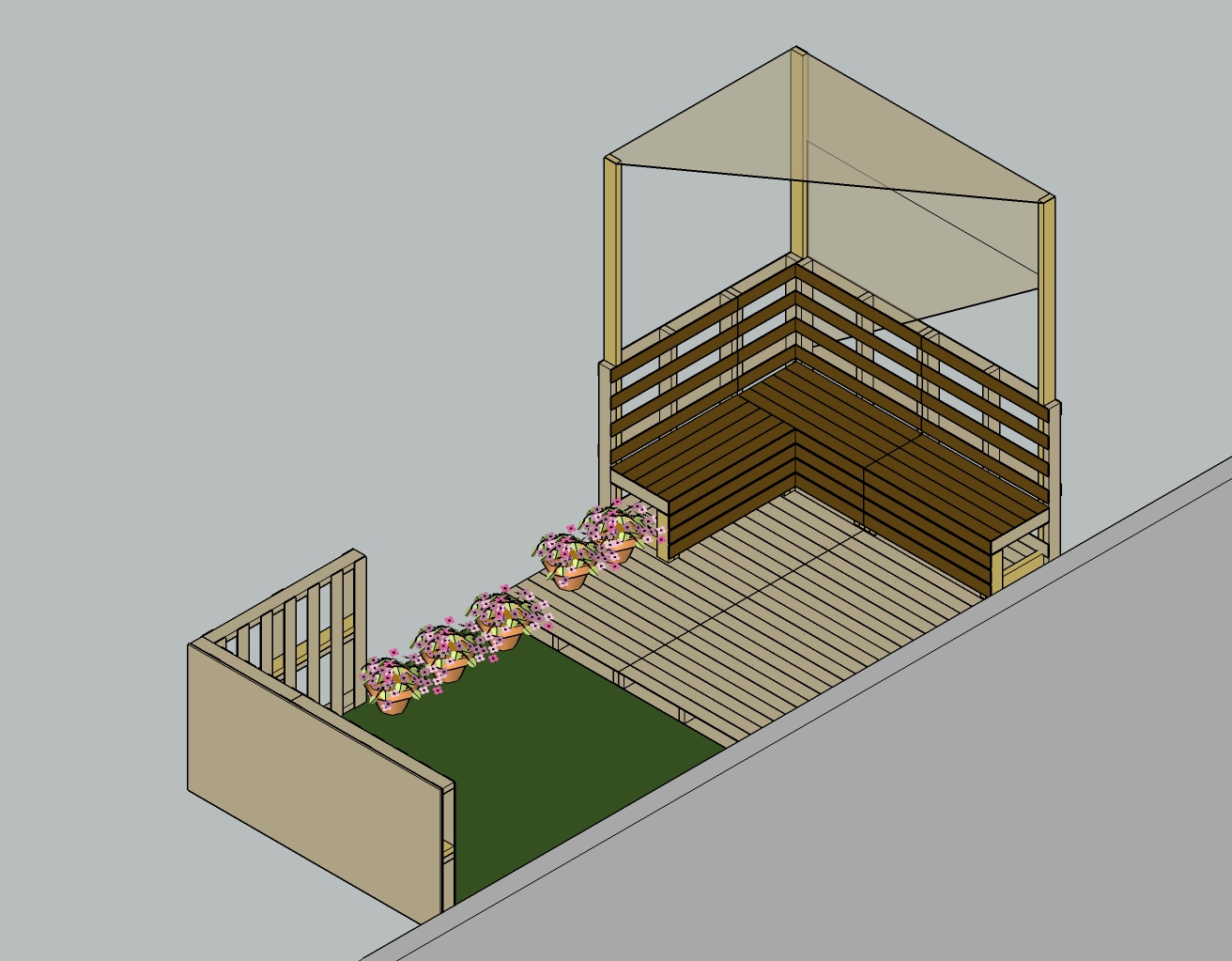
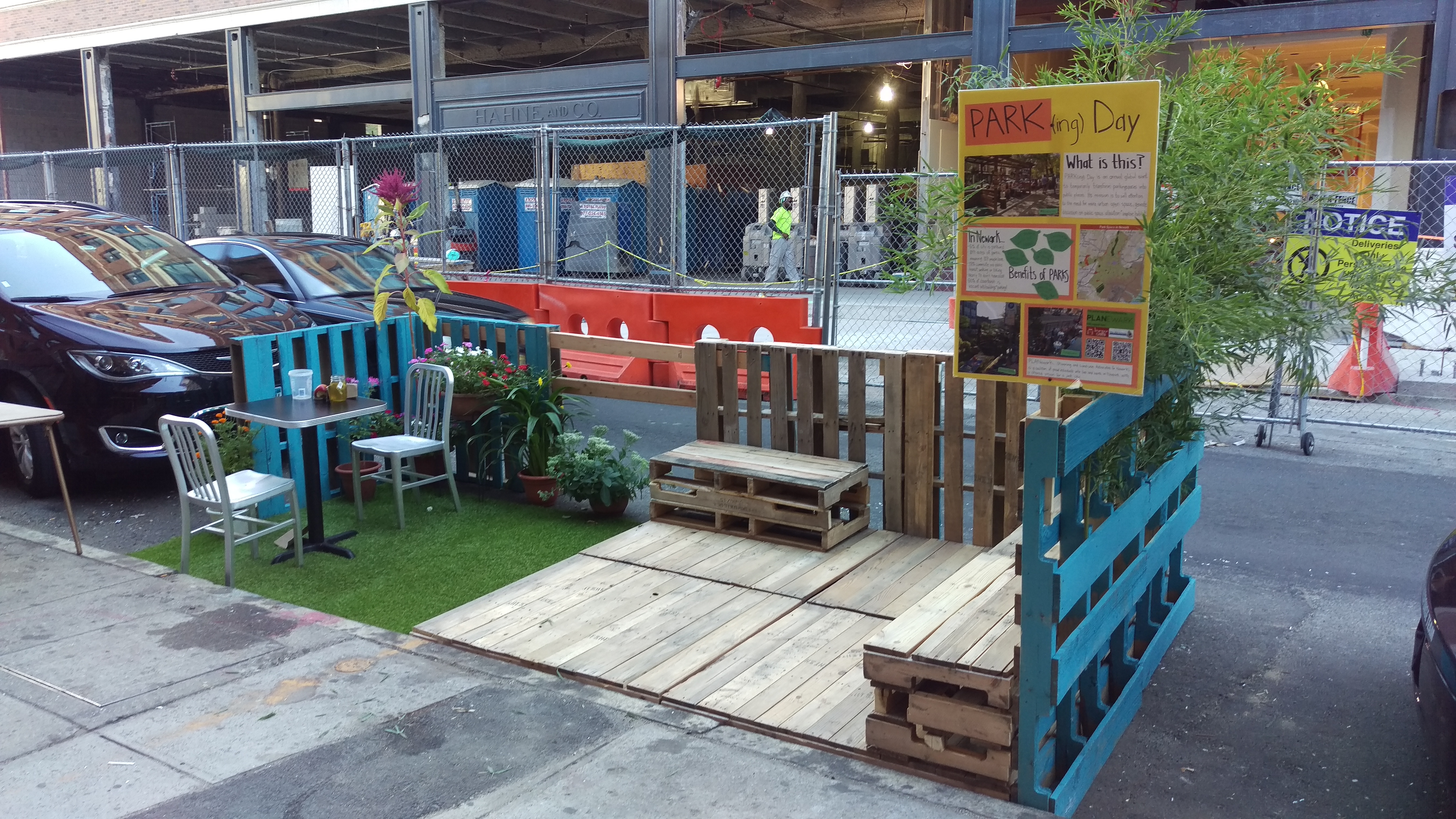
PARK(ing) Day is an annual worldwide event that takes place on the third Friday of September where artists, designers and citizens transform parking spots into temporary public parks. In 2016, PLANewark participated in this event by occupying parking spot with a pop-up public parklet on Newark’s Halsey Street shopping corridor.
To learn more about what PARK(ing) Day is, click here.


2019
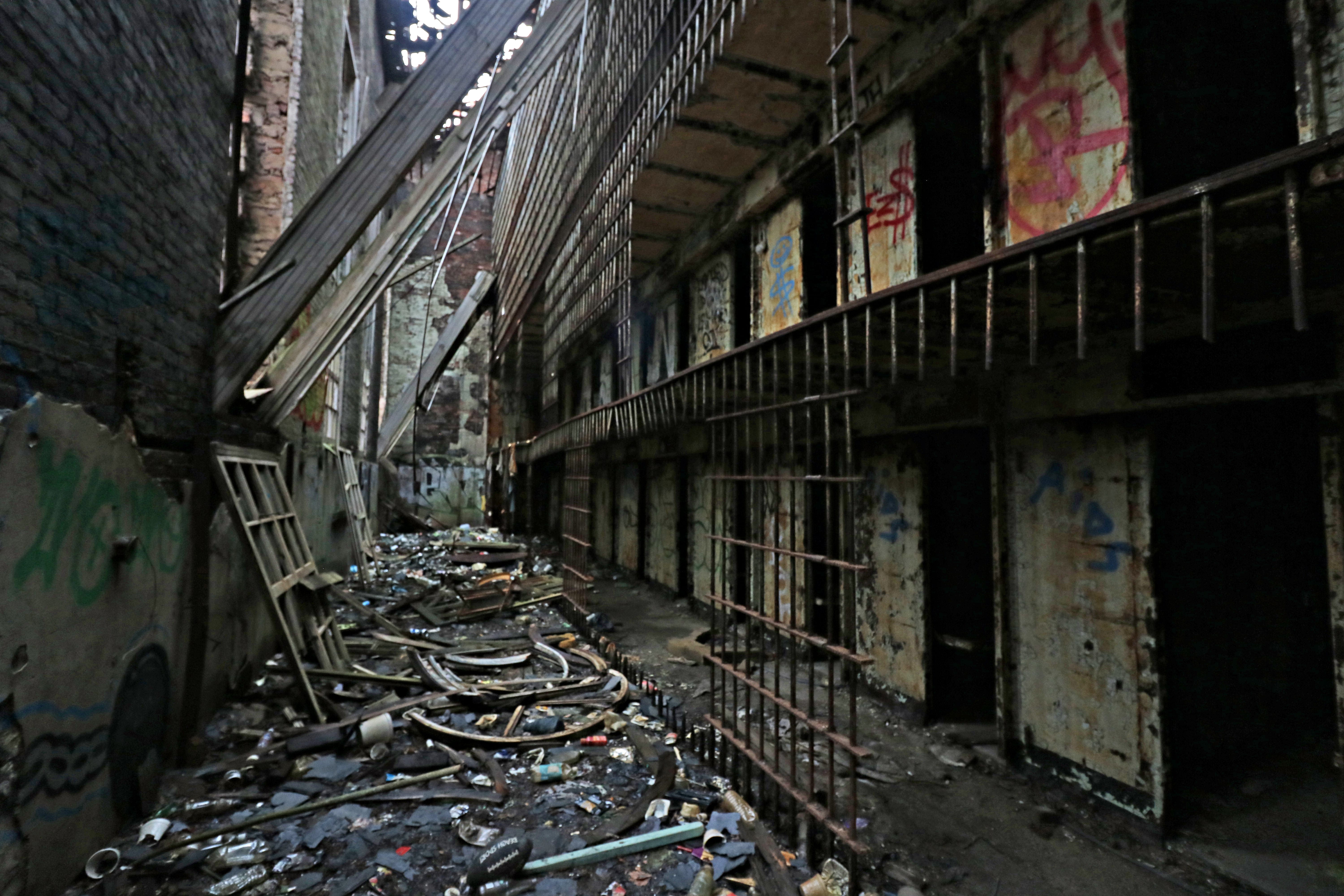
PLANewark is a proud sponsor of an exhibit on the old Essex County Jail. In part, this project documents and displays the work of Columbia GSAPP students from 2018. A website has been created to display the history, current state, and future reuse proposals for this historic site.
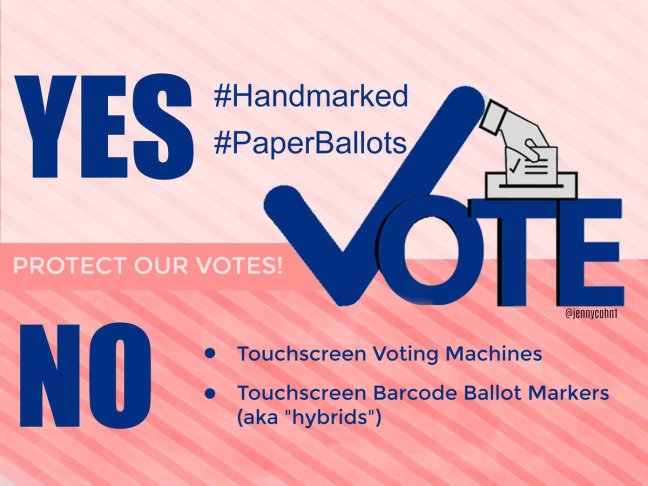
NJ Appleseed has been working for many years to protect the integrity of the voting process and continues to do so.
It played a key role in the passage of a 2008 bill requiring that election results be audited to insure that they are correct. That law has never been implemented because audits require paper ballots and until 2019, all but one county in NJ used purely digital paperless voting machines.
More recently, NJ Appleseed has supported replacing those digital machines with a system that voting security experts tells us in the most secure: auditable paper ballots that are hand-marked by the voter, rather than the machine, and read by optical scanners, to reduce the risk of tampering.
NJ Appleseed was part of a campaign in Essex County, led by the grass roots group SOMa Action (from South Orange and Maplewood), that recently succeeded when the Freeholders voted in January to approve the purchase of such a system, the first in New Jersey. It will be in place for the 2020 primary and general election.
The next step will be to try to persuade other counties to do the same. Here is my op-ed on the subject, which was recently published in the Star Ledger and posted on its website.
Current Master Plan published in 2012. This Master Plan serves as the underlying principles of the current Newark Zoning and Land Use Regulations (NZLUR). Any changes to NZLUR must be consistent with Newark’s Master Plan.
Current zoning regulations adopted in March of 2015 that govern land use, building bulk, parking, design guidelines, and the overall form of our city. Any development application that deviates from these regulations requires a variance from the Central Planning Board (CPB) or Zoning Board of Adjustment (ZBA). The interactive zoning map below allows users to zoom into particular properties to check the zone designation.
*The Newark Zoning and Land Use Regulations have been amended to include the following. Any amendments supersede language in NZLUR.
| Inclusionary Zoning Ordinance (IZO) In general, the IZO requires medium to large residential developments to set aside at least 20% of apartments to be “affordable” as defined by the State of New Jersey. These rules apply to new developments over 30 units or rehabilitated developments over 40 units under the following situations: developments seeking ‘C’ or ‘D’ variances from NZLUR or a Redevelopment Plan; all developments sold by the City of Newark through a redevelopment agreement; and all developments in an MX-3 zone (defined below); |
| MX-3 This ordinance created a new zone in the Ironbound neighborhood next to Penn Station. In addition, it introduced new uses and modified bulk requirements in all zones throughout the City. The MX-3 ordinance was adopted despite being inconsistent with Newark’s Master Plan. The New Jersey Municipal Land Use Law requires that the municipality state official reasons why the ordinance was adopted with the inconsistencies. Read here for the official response. |
| Zoning Board Application Fees To help increase the processing speed of applications, the city revised the rules for the Zoning Board to assess fees on applications. Presumably, this revenue will be used to hire more planning staff to handle applications. |
| Zoning Board Meetings and Stipend This permits the ZBA to meet up to 40 times per year, allows 2 additional alternate board members, and provides a $5000 stipend per year for each member. |
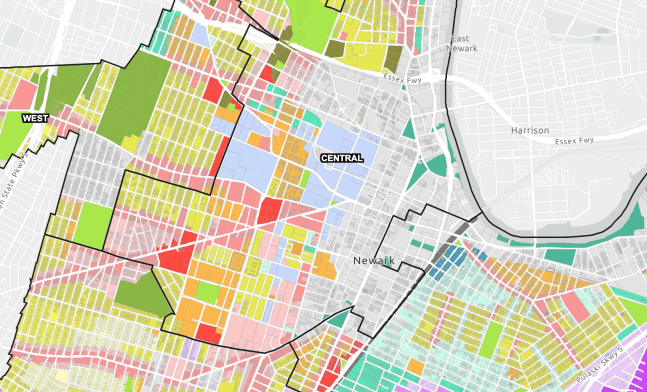
This map provided for reference only. See the NZLUR for the official map.
In particular areas throughout Newark, redevelopment plans overrule the NZLUR and govern the land-use, building bulk, and other regulations. In general, these plans are applicable throughout Downtown, the Kent/Brenner/Springfield neighborhood, and the Riverfront.
The website for Newark’s Office of Planning and Zoning includes links to the Master Plan, NZLUR, the CPB, the ZBA, the Landmarks and Historic Preservation Commission, as well as many other links and resources to learn about planning and development in Newark.
Below is a list of planning and development organizations and governmental institutions that set policy on planning and land-use issues in our area.
North Jersey Transportation Planning Authority
The NJTPA is the federally authorized Metropolitan Planning Organization for the 13-county northern New Jersey region. Each year, they oversee funding for transportation improvement projects and “provide a forum for interagency cooperation and public input.”
Regional Plan Association
The RPA is an urban research and advocacy organization. RPA works to “improve the prosperity, infrastructure, sustainability and quality of life of the New York-New Jersey-Connecticut metropolitan region.”
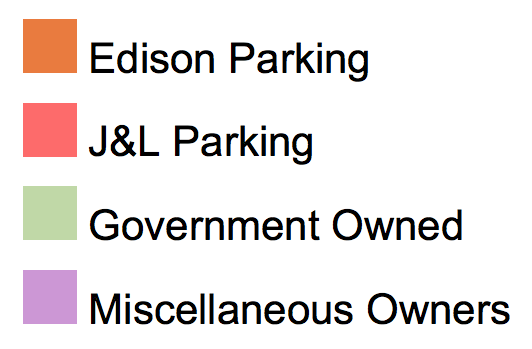
Explore an interactive map of the 300+ acres of parking in Downtown Newark. This map is part of PLANewark’s ongoing fight against the expansion of surface parking in Newark. Click the rectangle icon on upper right hand corner of map to view full screen. Click on individual, color-coded lots to view information on the property owner and acreage.


 NJ Appleseed